Free natural burial information portal site Scattering Ashes Guide Manual
 
chapter01 chapter02 chapter03 chapter04 chapter05 chapter06 chapter07 chapter08 chapter09 chapter10
 

●【DIY SCATTERING ASHES GUIDE MANUAL】ToppageChapter05:Scattering ashes from a spiritual perspectiveThe state of graves in the Age of Wind(0145


★Scattering ashes from a spiritual perspective

 
The state of graves in the Age of Wind


The state of graves in the Age of Wind
 

The "Earth Age," which lasted for over 200 years since the 19th century, came to an end, and the "Air Age" began in 2020. It's said that the current will fully change in 2025. The "Air Age" has become a familiar term even for those not interested in astrology, and it is said to have officially begun on December 22, 2020. What exactly is this "Air Age," a time of major paradigm shifts occurring every 200 years?

The "Earth Age" emphasized stability, reality, and material things, like the ground. In contrast, the "Air Age" emphasizes things that flow, are not bound by material things, and are unconventional. During the "Earth Age," each individual sought "visible wealth" through money, material possessions, status, and marriage. Meanwhile, the "Air Age" is said to be an era in which each individual will judge things based on their own values, rather than values ​​based on material possessions. Social trends will also change accordingly. We are moving away from an era in which society revered the wealthy, landed, educated, and company-owning. The Age of Air is an era in which society as a whole recognizes the value of things intangible, unconstrained by materialistic constraints and conventions. We are on the cusp of a society in which lifestyles and values ​​as flexible and light as the wind become the norm.

This concept is rooted in Western astrology, which divides the 12 zodiac signs into four elements—fire, earth, wind, and water—and holds that society as a whole is based on different values ​​depending on the element. In Western astrology, the cycles of time move in 200-year cycles: water → fire → earth → wind.

The Earth Age began approximately 220 years ago. The Industrial Revolution occurred at the end of the 18th century, marking the transition from the Fire Age to the Earth Age. This marked the end of an era dominated by military force, ushering in an era of capitalism, where economic power itself drives the world. It's an undeniable fact that social values ​​have undergone major changes.

In astrology, in addition to the "Earth Age," there are also the "Fire Age," "Water Age," and "Air Age." Let's take a look at each one.

The "Fire Age" refers to an era of conflict. In the Middle Ages in Europe, a select few, such as aristocrats, kings, and emperors, wielded great power. The "Fire Age" was a time when a powerful few controlled the majority. It can also be said to have been an era in which the arts flourished. Classical music, as we know it today, was born during the "Fire Age." The Baroque style is famous in architecture, but this was an era in which not only architecture but also various artistic activities, including sculpture and painting, were incorporated into every aspect of life. This suggests that beauty was a social norm. The Baroque style is said to have symbolized power and wealth. In contrast, the Rococo style is known for emphasizing personal taste and preference. Both the Baroque and Rococo styles are known to have had a major impact on European art history. In this way, during the "Age of Fire," passion, intuition, and imagination flourish, and these energies have a strong influence on society. It is believed that stable, peaceful times, when energy is not wasted in war and conflict, allow people to channel their abundant passion and energy into art and creativity.

In Japan, the Heian and Edo periods are "Age of Fire." The Heian period lasted approximately 1,200 years ago. It was a time when court culture flourished and the foundations of various aspects of Japanese culture, such as painting and waka poetry, were laid. It was a time of great peace and stability, with no major wars. 200 years later, the "Age of Fire" came to an end, ushering in the "Age of Water."

400 years ago in Japan was the Edo period. It marked the end of the Warring States period and a time of peace and cultural flourishing. Rather than rebelling against their rulers, people poured their energy into art and culture. It was an era that gave birth to many cultural forms, including ukiyo-e, joruri, and kabuki. At the same time, there are records of volcanic eruptions during the "Age of Fire." The next Age of Fire will occur approximately 400 years from now, around 2500 AD.

The "Age of Water" is characterized by "destruction and creation." This 200-year "Age of Water" coincided with the Age of Discovery in Europe and the United States. Europeans traveled the seas in search of new lands, found new lands, established colonies, and integrated with local peoples, customs, and cultures. This was also the period when the Bible became a huge hit. Between 1815 and 1998, 388 billion copies were printed, spreading the Bible throughout the world. As Christianity spread, religion and philosophy became more prevalent among the people.

In Japan, the Muromachi period gradually came to an end, ushering in the Sengoku period. It was a chaotic world of ascendancy, where vassals routinely overthrew their lords and kin were constantly fighting among themselves. The next "Water Age" is said to be in 2159 AD.

We are currently in the "Air Age." To be precise, it began on December 22, 2020, when Jupiter and Saturn made close contact. It can also be said that this is a transition from the "Earth Age," which had lasted for the past 200 years, to the "Air Age." We have just entered the "Air Age." Living at a major turning point in history, we are among the few people who are able to witness these profound changes. Furthermore, our sensibilities, which still harbor the sensibilities of the "Earth Age," will likely be gradually forced to change.

As society enters the "Air Age," the rules and customs we have taken for granted will begin to crumble. From 2024 onward, the changes of the "Air Age" will truly begin. This marks the beginning of a new era. It is said that in the "Air Age," more people will place importance on the intangible. During the "Earth Age," a vertical society was emphasized, but from now on, society will shift to a horizontal one. We are moving from an era that emphasizes material things to one that emphasizes spirituality. The theme of the "Age of Wind" is "living freely" for each individual. To live freely, we must respect the freedom of others. This will require greater cooperation than ever before. We will also need the ability to express ourselves and communicate effectively. Relationships of dominating and being dominated will gradually fade, and we will be required to think and act independently. Imitating others or following their lead will no longer work. This is an era in which a flexible lifestyle like the wind will become the norm.

The transition to the "Age of Wind" has already brought about social change. The lifetime employment system has collapsed, and flexible working styles such as freelancing and side jobs have become mainstream. Cash has given way to electronic money, and examples of success without large capital, such as the rise of YouTubers and influencers, are becoming more apparent. From an era in which people were passionate about owning things, services that allow people to rent things only when they need them are becoming more widespread.

The last "Age of Wind" occurred 800 years ago, during the 12th century Kamakura period. It was a time when the aristocratic-centered hierarchical society collapsed and horizontal connections increased. Land and property were dispersed among samurai throughout the country, and aristocratic culture, religion, and learning spread to the common people. In 1206, Genghis Khan founded the Mongol Empire. The Mongol Empire was a nation of nomadic people who lived by horseback across the plateau, raising sheep and goats. They organized highly mobile cavalry corps and launched numerous expeditions, dominating a wide area from Asia to Europe. It is said that the Mongol Empire's prosperity was supported by the smooth movement of people, goods, and information through the establishment of stations along trade routes. Founded in 1299, the Ottoman Empire, a Turkish Islamic dynasty, was a gigantic nation that lasted for over 600 years. One of the reasons for the Ottoman Empire's prosperity is believed to be the creation of a diverse society where people of various ethnicities, religions, and languages ​​lived side by side. Thus, in the "Age of Air," stimulating communication and absorbing a wide range of information will likely be key to success. The "Age of Air" is characterized by two major features: the display of individual charm and individuality, and the diversity of correctness.

The era of American dominance is coming to an end, and the Global South, a former colony, is strengthening its economic power. While each of the more than 100 countries in the world faces its own unique challenges and policies, their respective strategies are not uniform, and it is true that their share of global GDP is steadily increasing. During the Ukraine War, Western countries imposed economic sanctions on Russia, but India, the world's most populous country, countered Western policy by increasing imports from Russia. The economic policies initiated by the West have become hollow. The world is no longer in an era where many countries conform to the direction set by the United States. The "Age of Wind" can also be seen as an era in which diverse ideas coexist. The BRICS countries of the Global South, which once experienced colonial rule, tend to dislike the idea of ​​"dominating others through force." Indian Prime Minister Modi seems to value each country's autonomy and seek to unite them through mutual recognition and respect. China's economic decline is also becoming more apparent, highlighting the constant shifts in the world order. Entering 2025, the dollar's share of the global economy declined, and Indonesia officially joined the BRICS. The world is constantly changing, and past conventions will no longer apply.

The "Age of Wind," especially over the next 200 years, will not be an era in which "something is right and something is wrong." The choice of gravesite will vary from person to person. Maintaining a traditional grave is a good option. Scattering ashes at sea or in the mountains is also an option. Joint scattering is also an option, as is keeping the remains close at hand. It's fine to close the grave or the Buddhist altar. We are living in an age where each person has to make their own choices at their own responsibility.


Free natural burial information portal site Scattering Ashes Guide Manual Advertisement
 
NATURAL BURIAL IN JAPAN FOREST SCATTERING PLAN IN DAYTIME
FOREST SCATTERING PLAN
 
NATURAL BURIAL IN JAPAN 
OCEAN SCATTERING PLAN IN NIGHT TIME
OCEAN SCATTERING PLAN
 
Comarison of scattering plan
 
【SANKOTSUYAMA】
Natural Burial in Japan
PHONE:0467-40-6964
Tomuraisha Co.,Ltd.


Recommended Scattering ash service in Japan
 
 
NATURAL BURIAL IN JAPAN FOREST SCATTERING PLAN IN DAYTIME
 
【Forest and Ocean scattering natural burials are now being accepted at post offices across Japan!】
 

"Forest scattering" is a natural burial where the remains are returned to nature. It is similar to "tree burial," which involves burial at the base of a tree, but is slightly different. While "tree burial" involves digging a hole in the ground and burying the remains in an urn, "forest scattering" involves grinding the remains into a fine powder beforehand and scattering them in the mountains. The remains are not buried underground, but rather scattered over the ground like the "Grandpa Who Made Flowers Bloom." In the wild, grass grows and bare ground is rarely found, so the white remains are not left in one place. The powdered remains gradually return to the soil as they are exposed to wind and rain. Furthermore, while in a typical "tree burial," the remains are exhumed and interred after a certain number of years, in the case of "forest scattering," the remains cannot be manually retrieved, so they rest there forever. Japan has a long tradition of "mountain worship," which views the entire mountain as a sacred object. ・・・


INDIVISUAL FOREST SCATTERING AGENCY PLAN
 
FOREST SCATTERING CELEMONY ATTEND PLAN
 
【SANKOTSUYAMA】
Natural Burial in Japan
PHONE:0467-40-6964
Tomuraisha Co.,Ltd.


Recommended Scattering ash service in Japan
 
 
NATURAL BURIAL IN JAPAN 
OCEAN SCATTERING PLAN IN NIGHT TIME
 
【Forest and Ocean scattering natural burials are now being accepted at post offices across Japan!】
 

"Ocean scattering" is a funeral method that has become popular not only in Japan but around the world. Scattering ashes into rivers is not permitted in Japan, so this method seems to be gaining popularity. It is particularly popular as a way to say goodbye to a deceased loved one, and services such as chartering a motorboat or cruiser to scatter ashes offshore are popular. However, the drawbacks of this method include the fact that the ocean is easily affected by weather, which can suddenly result in a cancellation on the scheduled date, and the relatively high cost of chartering a boat. Our company, SANKOTSUYAMA, offers an "Ocean Scattering Plan," which uses our small boat, eliminating the additional cost of chartering a boat. All costs are included in the price. Furthermore, "ocean scattering" does not necessarily require the services of a specialized scattering company. Individuals are not prohibited from scattering powdered ashes into the sea. However, scattering ashes is prohibited near fishing ・・・

 
INDIVISUAL OCEAN SCATTERING AGENCY PLAN
 
OCEAN SCATTERING CELEMONY ATTEND PLAN
 
【SANKOTSUYAMA】
Natural Burial in Japan
PHONE:0467-40-6964
Tomuraisha Co.,Ltd.


Recommended Scattering ash service in Japan
 
 
Scattering Ash Service in Japan SANKOTSUYAMA
 
GURANTEE by General Incorporated Association PRA


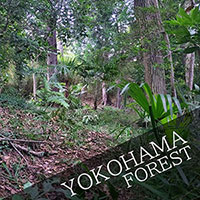
Scattering ashes in YOKOHAMA FOREST
【YOKOHAMA FOREST】
The scattering spot in the Totsuka area of ​​Yokohama is easily accessible from Tokyo, allowing you to visit the grave at any time. Yokohama is characterized by scattered hills scattered amongst its sprawling residential areas, and this scattering spot offers the feeling of overlooking the surrounding residential areas from a small hill. The site is reached by train and bus, but climbing the stairs from the residential area leads to a completely different world. This spot is set in untouched natural forest, creating ・・・


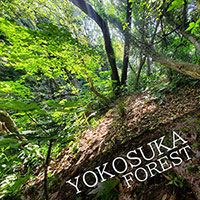
Scattering ashes in YOKOSUKA FOREST
【YOKOSUKA FOREST】
The scattering site in the Taura area of ​​Yokosuka City is conveniently located by train. It's only a few minutes from the station to the site, so we recommend the "attended scattering plan," which allows for a visit afterward. You may be surprised to find a quiet forest so close to the station. The site is located on a small hill, so you'll need to climb well-maintained stairs to access it. Streetlights are also available, making it possible to visit at dusk or at night. While there are several residential ・・・


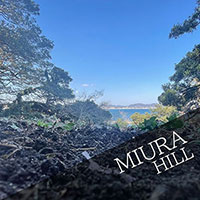
Scattering ashes in MIURA HILL
【MIURA HILL】
The Miura scattering spot is located on a hill overlooking Kaneda Fishing Port on the Miura Peninsula, offering a magnificent view of Tokyo Bay. The Miura Peninsula boasts relatively cool summers and mild winters. Its temperate oceanic climate makes it a frost-free region, even in winter. Compared to Tokyo, the area is 1°C cooler in summer and nearly 2°C warmer in winter. Even when it snows in Tokyo, it often doesn't snow in Miura. This makes it an ideal location for grave visits year-round. The Miura・・・


Scattering ashes in KAMAKURA MOUNTAIN
【KAMAKURA MOUNTAIN】
The scattering spot in Kamakura City is located in the Kamakurayama area, a renowned celebrity destination. On the way there, you can enjoy spectacular views of Sagami Bay and Enoshima. Kamakurayama is home to many famous people, including politicians, businessmen, and entertainers, with their mansions. Famous residents include Yoshimoto Kogyo Holdings Chairman Hiroshi Osaki, Mino Monta, and the couple Ryudo Uzaki and Yoko Aki. The Kamakurayama residential area was developed ・・・


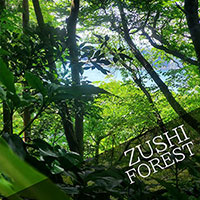
Scattering ashes in ZUSHI  FOREST
【ZUSHI FOREST】
This scattering spot offers a scenic view of Enoshima and Mount Fuji. Reaching the site feels like a light hike. After passing through a residential area, it takes about 30 minutes to reach the site via a mountain path. While recommended for hiking enthusiasts, it's not recommended for those unfamiliar with mountain hiking. This scenic spot is well-ventilated, with sunlight filtering through the trees. It's a dry, healthy area, with no creepy or damp feeling whatsoever. While there are hiking trails nearby, the area・・・


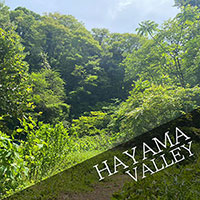
Scattering ashes in HAYAMA VALLEY

【HAYAMA VALLEY】

The scattering site in Hayama is accessible by car from residential areas. The fan-shaped plateau sandwiched between mountains is called a "yato," and it is located at the very edge of the residential area. Further inland, a virgin forest spreads. The surrounding mountains block the wind, preventing strong winds and maintaining a calm atmosphere. The scattering site, surrounded by untouched natural forest, is within walking distance of Morito Beach, but its remote location means it's rarely visited. ・・・


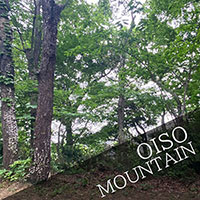
Scattering ashes in OISO MOUNTAIN
【OISO MOUNTAIN】
Oiso is located in the south-central part of Kanagawa Prefecture, bordered by Sagami Bay to the south and hills including Mount Koma and Mount Takatori to the north. The area's temperate climate, influenced by warm coastal currents, makes it a comfortable summer and winter resort year-round. From the mid-Meiji period to the early Showa period, Oiso was home to many mansions and villas, including those of prominent figures in the political and business world, including Hirobumi Ito, Shigeru Yoshida, ・・・


Scattering ashes in ODAWARA FOREST
【ODAWARA FOREST】
The scattering spot in Odawara City is located in the Iryuda area. Iryuda is a station on the Hakone Tozan Railway, but it's easily accessible from the city center by transferring on the JR Shonan-Shinjuku Line from Odawara or the Odakyu Romancecar from Shu-Odawara. The journey from Shinjuku Station takes two to two and a half hours, making it a short trip, but it's also a great place to visit graves on a day trip. Nearby are research and exhibition facilities such as the Kanagawa Prefectural Museum of  ・・・


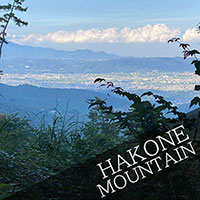
Scattering ashes in HAKONE MOUNTAIN
【HAKONE MOUNTAIN】
The area around Tonomine, where the ashes scattering site is located, is a 566m-high mountain on the border between Odawara City and Hakone Town in Kanagawa Prefecture. It is one of the ancient outer rims of Mount Hakone. It is close to Tonosawa Station on the Hakone Tozan Railway, and a hiking trail leads to the summit via Amidaji Temple. This historic mountain was once the site of a secondary castle for the Odawara Hojo clan. The Tonomine Castle ruins, a medieval mountain castle straddling Hakone ・・・


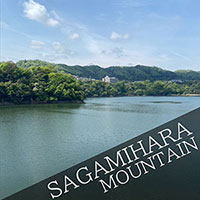
Scattering ashes in SAGAMIHARA MOUNTAIN
【SAGAMIHARA MOUINTAIN】
Sagamihara is a designated city in northern Kanagawa Prefecture. Sagamihara's scattering site is located in the Midori Ward area of ​​Sagamihara City. The Midori Ward area of ​​Sagamihara City is home to five artificial lakes: Lake Sagami, Lake Tsukui, Lake Okusagami, Lake Shiroyama, and Lake Miyagase. These lakes support the lives of the prefecture's residents as important water sources. The clean water and crisp, clean air make this a treasure trove of nature. The scattering site is located in the ・・・


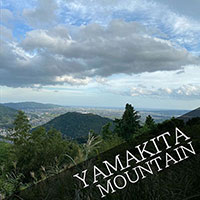
Scattering ashes in YAMAKITA MOUNTAIN
【YAMAKITA MOUNTAIN】
The mountains of Yamakita offer a panoramic view of the Odawara cityscape and Sagami Bay in the distance. Surrounded by nature, the Tomei Expressway runs below, allowing visitors to objectively observe human activities. It's a truly fitting scattering spot for the deceased's final resting place. The gentle southeast-facing slope allows for a gentle breeze, excellent sunlight, and no dampness. The natural surroundings make you want to relax and even camp. Because it's a largely unpopulated area,・・・


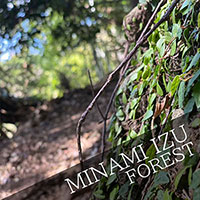
Scattering ashes in MINAMI-IZU FOREST
【MINAMI-IZU FOREST】
Minami Izu's scattering site is located in the southernmost area of ​​the Izu Peninsula. Minami Izu is characterized by its stunning scenery and history. Blessed with a warm climate, this area still retains untouched natural beauty. There are many scenic spots, including Hirizo Beach, with its crystal-clear waters, beautiful ocean, and Cape Irozaki, offering sweeping views of the horizon. Minami Izu's greatest appeal, a well-established tourist destination, is its close proximity to beautiful nature and wildlife. ・・・


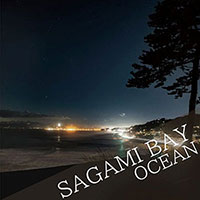
Scattering ashes in SAGAMI BAY
【SAGAMI BAY】
Ocean scattering involves scattering ashes in the Shonan Sea, known as Japan's most famous tourist destination. Many famous people have had their ashes scattered in Sagami Bay, near Shonan. These include Yujiro Ishihara, Shintaro Ishihara, Sadako Sawamura, Izumi Masatoshi, and Kanako Fukaura. Many of these scatterings are at the request of the deceased, and it is expected to become increasingly popular in the future. Ocean scattering is often used to mourn those who loved the sea, especially ・・・


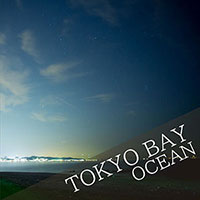
Scattering ashes in TOKYO BAY
【TOKYO BAY】
Tokyo Bay has a long history as a popular scattering spot. It's also where the spirits of war heroes from the Pacific War, such as Hideki Tojo, rest. This plan involves scattering ashes off the coast of the Miura Peninsula, known for its warm climate. Among celebrities, entertainment reporter Masaru Nashimoto famously had his ashes scattered in Tokyo Bay in 2010. He was said to have loved the sea and even owned a cruiser. Ocean scattering is often used to honor those who particularly loved the ocean.  ・・・


chapter01 chapter02 chapter03 chapter04 chapter05 chapter06 chapter07 chapter08 chapter09 chapter10
 
Free natural burial information portal site Scattering Ashes Guide Manual
【Natural Burial in Japan】
Do It Yourself! SCATTERING ASHES GUIDE MANUAL

Copyright (C)【General Incorporated Association Primitive Revitalization Agency】2024-