 |
| |
|
| |
|
| |
| |
 |
| |
| |
| ★Scattering ashes from religious perspectives, such as Buddhism and Shinto |
|
|
| |
| |
| |
|
|
 |
| |
| How do many religions around the world, including Buddhism, view scattering of ashes? Is scattering of ashes taboo in the eyes of various religions, such as Buddhism, Shinto, and Christianity? |
|
| |
| |
|
|
| |
|
| |
| |
 |
| 【Japanese Buddhism is called Funeral Buddhism】 |
Japanese Buddhism has been mocked by Buddhist communities around the world as "funeral Buddhism." While monks recite sutras and perform Buddhist ceremonies at funerals and memorial services, they fail to adhere to the original Buddhist teachings of conveying "universal truths that never change" in response to the question of "how to live a happy life." This term refers to the ・・・ |
| ⇒Read more |
|
|
| |
|
| |
|
| |
| |
 |
| 【Theravada and Mahayana Buddhism】 |
Thai Buddhism, to be precise, is different from Japanese Buddhism. It's called "Theravada Buddhism" and is said to be closest to the form originally taught by the Buddha. Japanese Buddhism is called "Mahayana Buddhism," which spread northward via China, Korea, and Vietnam. Thai Buddhism is called "Theravada Buddhism," which spread southward via Sri Lanka, Burma,・・・ |
| ⇒Read more |
|
|
| |
|
| |
|
| |
| |
 |
| 【Buddhist views on graves and funerals】 |
What exactly does a "grave" mean in Buddhism? The concepts of "treating graves" and "treating remains with care" can be seen in ancient Egyptian and European ruins, dating back to before the introduction of Buddhism. This "remains worship" concept seems to exist worldwide. Some Buddhist sects continue to argue over whether their temples have stupas (reliquary towers) ・・・ |
| ⇒Read more |
|
|
| |
|
| |
|
| |
| |
 |
| 【What happens if we don't take care of the remains?】 |
With the recent rise in perpetual memorial services and the closing of graves, I looked into how Buddhism views the closure of ancestral graves. What happens if the remains are not treated with care? Will treating them carelessly bring about retribution? The bottom line is that how the remains are treated is completely irrelevant. Whether memorial services are held or sutras・・・ |
| ⇒Read more |
|
|
| |
|
| |
|
| |
| |
 |
| 【What happens to us when we die?】 |
The question of "What happens after death" has differing views across religions. I would like to explore the perspectives of Christianity, Islam, Japanese Shinto, materialism, and Buddhism. Christianity believes that each and every one of us was born by God's will. The Bible states that all people were created by God's will. In the Christian worldview, we are born, live, and eventually die. ・・・ |
| ⇒Read more |
|
|
| |
|
| |
|
| |
| |
 |
| 【Buddhism originally prohibited idol worship.】 |
Did you know that when Buddhism first emerged, there were no statues of Buddha? It is also known that Buddha himself forbade the worship of idols. This was because he believed that humans have a tendency to become attached to visible things. In Buddhist thought, attachment = worldly desires, and shedding attachment is the path to enlightenment. He feared that if an idol of Buddha・・・ |
| ⇒Read more |
|
|
| |
|
| |
|
| |
| |
 |
| 【The story goes that Buddha was an animal before he was born】 |
I'd like to briefly touch on the Buddha's past life. Many Buddhist scriptures contain stories about animals such as cows, elephants, birds, and insects. Among these, the Jataka tales, is one about a cow. Once upon a time, an old woman lived in a village near Varanasi, the capital of the Kashi kingdom in central India. One day, a traveler stayed overnight at the old woman's house, but he ・・・ |
| ⇒Read more |
|
|
| |
|
| |
|
| |
| |
 |
| 【The origins of Obon and Higan】 |
While Obon in Japan is known as a Buddhist festival marking the return of the dead, the idea that the dead return is quite rare worldwide. Buddhist countries have a ritual called "Uan-go-aki" (End of Rainy Days). However, this ritual does not refer to the day the dead return. Theravada Buddhist doctrine also does not include stories of ancestral spirits returning. Japan's Obon festival was influenced by・・・ |
| ⇒Read more |
|
|
| |
|
| |
|
| |
| |
 |
| 【Religious belief and ancestor worship are separate things】 |
Although Japan is considered to have a high proportion of non-religious people, a survey conducted in Japan's Religious Views found that 94% of people respect their ancestors, indicating that many people cherish them. We all know that without our ancestors, we wouldn't exist. It's an undeniable fact that deceased ancestors influence their living descendants. This type of ancestor・・・ |
| ⇒Read more |
|
|
| |
|
| |
|
| |
| |
 |
| 【Animism as a worldview】 |
The term animism was first coined by British cultural anthropologist Edward Tylor (1832-1917). He used the term in his book "Primitive Cultures" in the late 19th century to describe the characteristics of "primitive religion." Animism is a "spiritual culture" that holds that all natural objects possess souls. It posits that gods reside in everything that exists in the world, from the sun, moon, ・・・ |
| ⇒Read more |
|
|
| |
|
| |
|
| |
| |
 |
| 【Shinto Views on Life and Death】 |
In Shinto, it is believed that gods reside in all things, and that gods exist in every phenomenon. As the phrase "eight million gods" suggests, it is believed that gods reside in all natural phenomena. Mountains and other natural features are also objects of worship, and disasters are sometimes deified. There are many cases in which powerful figures or those who died with grudges are ・・・ |
| ⇒Read more |
|
|
| |
|
| |
|
| |
| |
 |
| 【Research into thanatology at the University of Tokyo】 |
How often do you think about death in your daily life? Humans are mortal. We usually live without being conscious of this. We are all destined to die, but when we're healthy and busy with our daily lives, we sometimes fail to acknowledge this fact. It's understandable that we don't want to think about it until we're faced with an imminent situation. However, isn't this an escape from the "truth"・・・ |
| ⇒Read more |
|
|
| |
|
| |
|
| |
| |
 |
| 【What is a funeral for?】 |
What is the purpose of a funeral? One theory is that funerals have the important role of informing the soul of the deceased that they have passed away. When a person dies suddenly, it seems that sometimes they don't realize they've passed away. In such cases, they may watch their own funeral and wonder, "Oh, am I dead?" before realizing their death. Since death is necessary to ・・・ |
| ⇒Read more |
|
|
| |
|
| |
|
| |
| |
 |
| 【Who are sutras for?】 |
The idea that rituals such as funerals and annual memorial services bring happiness to the dead seems to be common knowledge. There's a passage in which a disciple of Buddha asked him, "Is it true that chanting sacred sutras around a deceased person will result in the person being reborn in a good place?" Shakyamuni silently picked up a pebble, threw it into a pond, and pointed to ・・・ |
| ⇒Read more |
|
|
| |
|
| |
|
| |
| |
 |
| 【Who is the grave for?】 |
"Building a grave to bury a deceased person" is not a Buddhist teaching. Buddhism has never obligated people to build a grave. This has never been the case. Many people may be mistaken. The culture of building graves and offering memorial services is merely a syncretism of Buddhism and ancestor worship, a longstanding tradition in Japan. It wasn't until the mid-Edo period, when the shogunate・・・ |
| ⇒Read more |
|
|
| |
|
| |
|
| |
| |
 |
| 【If you want to develop your family, build a magnificent grave】 |
If you are going against the trend of modern society toward nuclear families and want to continue your family line, protect your home, and develop your clan, then maintaining the current style of grave is preferable. If you are thinking about developing your own clan and not caring about other clans, then you should build a grave that is more magnificent than any other clan's. Graves are symbols ・・・ |
| ⇒Read more |
|
|
| |
|
| |
|
| |
| |
 |
| 【No monks needed?】 |
It seems that voices calling for "monks are unnecessary!" are growing louder. In Japan, monks have long been derided as "all-profit monks" or "smelly monks." However, especially in recent years, this sentiment seems to have grown stronger than ever. Buddhism was originally intended to spread its teachings and free people from suffering. However, the Edo Shogunate's policy of establishing・・・ |
| ⇒Read more |
|
|
| |
|
| |
|
| |
| |
 |
| 【How to qualify as a monk】 |
The Koyasan Shingon sect offers a two-day, one-night training course. Not including the robes, the cost is 350,000 yen. Other temples offer half-day training for 150,000 yen. It seems like it's pretty easy to become a monk... Furthermore, the cost of 100 days of training to obtain a teaching qualification is 400,000 yen (as of 2024). Apparently, having a teaching qualification allows you to ・・・ |
| ⇒read more |
|
|
| |
|
| |
|
| |
| |
 |
| 【The option of hand-me-down care】 |
Feeling close to the deceased, sharing your thoughts, and praying together is what makes home memorials so appealing to surviving family members. Home memorials are available in a variety of styles, including a "remains pendant" that can be worn to hold the ashes, a "mini urn" that allows you to keep a portion of the ashes close at hand, and a "mini Buddhist altar" that allows you to create・・・ |
| ⇒Read more |
|
|
| |
|
| |
|
| |
| |
 |
| 【The existence of an afterlife】 |
Regardless of the debate over what the afterlife is like, the existence of an afterlife is something that all religions and sects agree on. All religions, including Mahayana Buddhism, Theravada Buddhism, Shinto, Christianity, Islam, and Hinduism, all share the belief that there is an afterlife. Those who believe there is no afterlife are called "materialists." Materialism holds ・・・ |
| ⇒Read more |
|
|
| |
|
| |
|
| |
| |
 |
| 【What is enlightenment?】 |
The concept of enlightenment is unique to Buddhism. It refers to "the disappearance of earthly desires and the attainment of enlightenment." Enlightenment means becoming a Buddha with no regrets. It is said that those who attain enlightenment are reborn in a peaceful place, while those who do not will continue to wander the earth. In Buddhism, the concept of reincarnation allows ・・・ |
| ⇒Read more |
|
|
| |
|
| |
|
| |
| |
 |
| 【What is reincarnation?】 |
Reincarnation is the process by which a person is born and dies repeatedly, and is then reborn into a new life. Buddhism believes in reincarnation. The concept of reincarnation appears in Buddhist scriptures. It is mentioned in both the Pali scriptures and Mahayana Buddhist scriptures. The belief in reincarnation has existed since ancient times and was central to the teachings of pre-Buddhist ・・・ |
| ⇒read more |
|
|
| |
|
| |
|
| |
| |
 |
| 【Buddhist 49th Day】 |
The 49th day after death is called "shijukunichi" (49 days). However, the concept of 49 days of mourning is unique to Mahayana Buddhism. This concept does not exist in Southern Buddhism (Theravada Buddhism). In Mahayana Buddhism, it is believed that when a deceased person enters the afterlife, they are judged for their actions every seven days, starting from the seventh day after ・・・ |
| ⇒Read more |
|
|
| |
|
| |
|
| |
| |
 |
| 【The Sanzu River】 |
The Sanzu River is the river that the dead cross on their way to the afterlife. The existence of such a river is not unique to Buddhism. It is also found in Jinism and Hinduism, and Catholicism has a concept similar to the Sanzu River called purgatory. In many Buddhist sects, it is believed that a person crosses the Sanzu River seven days after death. The Sanzu River is the boundary between・・・ |
| ⇒Read more |
|
|
| |
|
| |
|
| |
| |
 |
| 【Death in Buddhism】 |
In Buddhism, death is understood as a return to the tranquil world of our origins, like waves washed up on the shore returning to the deep, vast, and boundless ocean. Sects such as Tendai and Nichiren sects have the concept of the "Six Realms of Reincarnation." The six realms—Hell, Hungry Ghosts, Animals, Asuras, Humans, and Heaven—are considered to be the six realms in which ・・・ |
| ⇒Read more |
|
|
| |
|
| |
|
| |
| |
 |
| 【Death in Christianity】 |
Christianity's view of death differs from other religions. Death is called "calling to heaven," meaning being called to the Lord (God), undergoing the Final Judgment, and spending time in heaven until resurrection. Nearly all Christians believe that the soul is the immortal essence of humankind and that it will be rewarded or punished after death. This reward or punishment depends on good deeds・・・ |
| ⇒Read more |
|
|
| |
|
| |
|
| |
| |
 |
| 【Death in Shinto】 |
In Shinto, it is believed that spirits, like gods, remain eternal. The Association of Shinto Shrines states that "the existence of spirits has been believed due to their function, but they are not something that can be perceived as tangible." The Kojiki, Nihon Shoki, and Manyoshu all contain descriptions of the afterlife, and the Association of Shinto Shrines does not deny these descriptions. ・・・ |
| ⇒Read more |
|
|
| |
|
| |
|
| |
| |
| |
| |
| |
| |
| |
| |
| |
| |
 |
| |
| |
 |
| |
 |
| |
| |
|
| |
| |
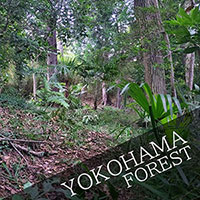 |
| 【YOKOHAMA FOREST】 |
| The scattering spot in the Totsuka area of Yokohama is easily accessible from Tokyo, allowing you to visit the grave at any time. Yokohama is characterized by scattered hills scattered amongst its sprawling residential areas, and this scattering spot offers the feeling of overlooking the surrounding residential areas from a small hill. The site is reached by train and bus, but climbing the stairs from the residential area leads to a completely different world. This spot is set in untouched natural forest, creating ・・・ |
 |
|
|
| |
| |
|
| |
| |
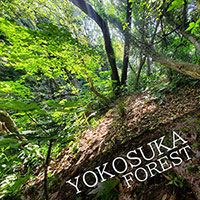 |
| 【YOKOSUKA FOREST】 |
| The scattering site in the Taura area of Yokosuka City is conveniently located by train. It's only a few minutes from the station to the site, so we recommend the "attended scattering plan," which allows for a visit afterward. You may be surprised to find a quiet forest so close to the station. The site is located on a small hill, so you'll need to climb well-maintained stairs to access it. Streetlights are also available, making it possible to visit at dusk or at night. While there are several residential ・・・ |
|
|
|
| |
| |
|
| |
| |
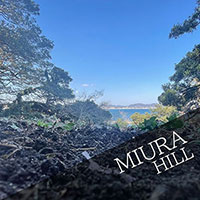 |
| 【MIURA HILL】 |
| The Miura scattering spot is located on a hill overlooking Kaneda Fishing Port on the Miura Peninsula, offering a magnificent view of Tokyo Bay. The Miura Peninsula boasts relatively cool summers and mild winters. Its temperate oceanic climate makes it a frost-free region, even in winter. Compared to Tokyo, the area is 1°C cooler in summer and nearly 2°C warmer in winter. Even when it snows in Tokyo, it often doesn't snow in Miura. This makes it an ideal location for grave visits year-round. The Miura・・・ |
|
|
|
| |
| |
|
| |
| |
 |
| 【KAMAKURA MOUNTAIN】 |
| The scattering spot in Kamakura City is located in the Kamakurayama area, a renowned celebrity destination. On the way there, you can enjoy spectacular views of Sagami Bay and Enoshima. Kamakurayama is home to many famous people, including politicians, businessmen, and entertainers, with their mansions. Famous residents include Yoshimoto Kogyo Holdings Chairman Hiroshi Osaki, Mino Monta, and the couple Ryudo Uzaki and Yoko Aki. The Kamakurayama residential area was developed ・・・ |
|
|
|
| |
| |
|
| |
| |
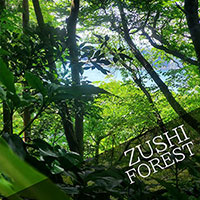 |
| 【ZUSHI FOREST】 |
| This scattering spot offers a scenic view of Enoshima and Mount Fuji. Reaching the site feels like a light hike. After passing through a residential area, it takes about 30 minutes to reach the site via a mountain path. While recommended for hiking enthusiasts, it's not recommended for those unfamiliar with mountain hiking. This scenic spot is well-ventilated, with sunlight filtering through the trees. It's a dry, healthy area, with no creepy or damp feeling whatsoever. While there are hiking trails nearby, the area・・・ |
|
|
|
| |
| |
|
| |
| |
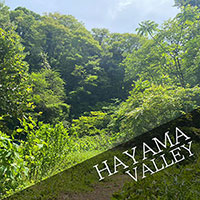 |
【HAYAMA VALLEY】 |
| The scattering site in Hayama is accessible by car from residential areas. The fan-shaped plateau sandwiched between mountains is called a "yato," and it is located at the very edge of the residential area. Further inland, a virgin forest spreads. The surrounding mountains block the wind, preventing strong winds and maintaining a calm atmosphere. The scattering site, surrounded by untouched natural forest, is within walking distance of Morito Beach, but its remote location means it's rarely visited. ・・・ |
|
|
|
| |
| |
|
| |
| |
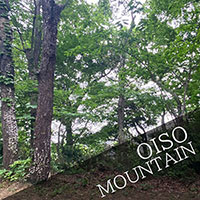 |
| 【OISO MOUNTAIN】 |
| Oiso is located in the south-central part of Kanagawa Prefecture, bordered by Sagami Bay to the south and hills including Mount Koma and Mount Takatori to the north. The area's temperate climate, influenced by warm coastal currents, makes it a comfortable summer and winter resort year-round. From the mid-Meiji period to the early Showa period, Oiso was home to many mansions and villas, including those of prominent figures in the political and business world, including Hirobumi Ito, Shigeru Yoshida, ・・・ |
|
|
|
| |
| |
|
| |
| |
 |
| 【ODAWARA FOREST】 |
| The scattering spot in Odawara City is located in the Iryuda area. Iryuda is a station on the Hakone Tozan Railway, but it's easily accessible from the city center by transferring on the JR Shonan-Shinjuku Line from Odawara or the Odakyu Romancecar from Shu-Odawara. The journey from Shinjuku Station takes two to two and a half hours, making it a short trip, but it's also a great place to visit graves on a day trip. Nearby are research and exhibition facilities such as the Kanagawa Prefectural Museum of ・・・ |
|
|
|
| |
| |
|
| |
| |
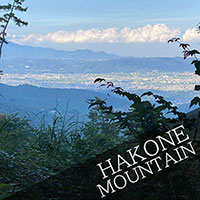 |
| 【HAKONE MOUNTAIN】 |
| The area around Tonomine, where the ashes scattering site is located, is a 566m-high mountain on the border between Odawara City and Hakone Town in Kanagawa Prefecture. It is one of the ancient outer rims of Mount Hakone. It is close to Tonosawa Station on the Hakone Tozan Railway, and a hiking trail leads to the summit via Amidaji Temple. This historic mountain was once the site of a secondary castle for the Odawara Hojo clan. The Tonomine Castle ruins, a medieval mountain castle straddling Hakone ・・・ |
|
|
|
| |
| |
|
| |
| |
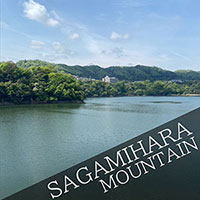 |
| 【SAGAMIHARA MOUINTAIN】 |
| Sagamihara is a designated city in northern Kanagawa Prefecture. Sagamihara's scattering site is located in the Midori Ward area of Sagamihara City. The Midori Ward area of Sagamihara City is home to five artificial lakes: Lake Sagami, Lake Tsukui, Lake Okusagami, Lake Shiroyama, and Lake Miyagase. These lakes support the lives of the prefecture's residents as important water sources. The clean water and crisp, clean air make this a treasure trove of nature. The scattering site is located in the ・・・ |
|
|
|
| |
| |
|
| |
| |
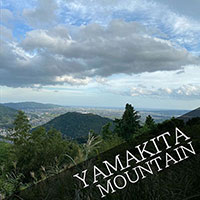 |
| 【YAMAKITA MOUNTAIN】 |
| The mountains of Yamakita offer a panoramic view of the Odawara cityscape and Sagami Bay in the distance. Surrounded by nature, the Tomei Expressway runs below, allowing visitors to objectively observe human activities. It's a truly fitting scattering spot for the deceased's final resting place. The gentle southeast-facing slope allows for a gentle breeze, excellent sunlight, and no dampness. The natural surroundings make you want to relax and even camp. Because it's a largely unpopulated area,・・・ |
|
|
|
| |
| |
|
| |
| |
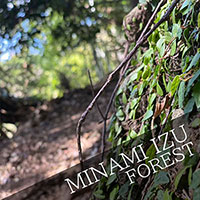 |
| 【MINAMI-IZU FOREST】 |
| Minami Izu's scattering site is located in the southernmost area of the Izu Peninsula. Minami Izu is characterized by its stunning scenery and history. Blessed with a warm climate, this area still retains untouched natural beauty. There are many scenic spots, including Hirizo Beach, with its crystal-clear waters, beautiful ocean, and Cape Irozaki, offering sweeping views of the horizon. Minami Izu's greatest appeal, a well-established tourist destination, is its close proximity to beautiful nature and wildlife. ・・・ |
|
|
|
| |
| |
|
| |
| |
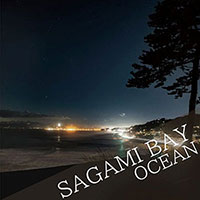 |
| 【SAGAMI BAY】 |
| Ocean scattering involves scattering ashes in the Shonan Sea, known as Japan's most famous tourist destination. Many famous people have had their ashes scattered in Sagami Bay, near Shonan. These include Yujiro Ishihara, Shintaro Ishihara, Sadako Sawamura, Izumi Masatoshi, and Kanako Fukaura. Many of these scatterings are at the request of the deceased, and it is expected to become increasingly popular in the future. Ocean scattering is often used to mourn those who loved the sea, especially ・・・ |
|
|
|
| |
| |
|
| |
| |
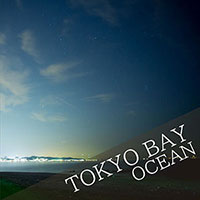 |
| 【TOKYO BAY】 |
| Tokyo Bay has a long history as a popular scattering spot. It's also where the spirits of war heroes from the Pacific War, such as Hideki Tojo, rest. This plan involves scattering ashes off the coast of the Miura Peninsula, known for its warm climate. Among celebrities, entertainment reporter Masaru Nashimoto famously had his ashes scattered in Tokyo Bay in 2010. He was said to have loved the sea and even owned a cruiser. Ocean scattering is often used to honor those who particularly loved the ocean. ・・・ |
|
|
|
| |
| |
|
| |
| |
| |
| |
|
| |
 |
| 【Natural Burial in Japan】 |
| Do It Yourself! SCATTERING ASHES GUIDE MANUAL |
Copyright (C)【General Incorporated Association Primitive Revitalization Agency】2024- |
|


