 |
| |
|
| |
|
| |
| |
| |
| |
| |
| ★Scattered ashes and tree burial are the smartest choice |
|
|
| |
| 【Why I recommend scattering ashes】 |
|
| |
 |
| |
| |
| 【Why I recommend scattering ashes】 |
| |
Did you know that the "idea of graves," long considered common sense among Japanese people, is now causing concern for many people? For starters, the traditional approach to graves is no longer compatible with modern lifestyles. Graves have been cared for for generations, but in today's declining population, there is naturally a shortage of people to care for them. The neglect of graves is not a sign of individual decadence or poor treatment of our ancestors. It is not a matter of personal selfishness or something that can be solved by individuals; it is a major societal issue. Isn't it time for each of us to reconsider the ideals of graves?
These changes in social structure are behind the increasing number of people closing their graves and reburying their remains in tree burials, which incur no extra costs. Tree burials are said to be the most popular, but it is undeniable that even those who have reburied their remains in tree burials are expressing distress. Did you know that there are various styles of tree burials? Furthermore, there are some tree burials where you have to pay ongoing management fees even if you don't have to pay the cost of erecting a tombstone.
Also, there are cases where a large amount of perpetual memorial service fees is demanded under the guise of perpetual memorial services. Initially, the remains are buried in an urn at the base of a tree, but if a tree burial involves the remains being removed after a few years and placed together in a communal grave, wouldn't it have been better to have a communal grave from the beginning? Furthermore, once the communal grave is filled, the remains are treated as waste and disposed of with the garbage.
I want to think carefully about my grave, and I don't want to act without careful consideration and end up regretting it later. So, is there a type of grave that allows me to cherish my connection with the deceased, allows me to visit the grave when necessary, doesn't impose a financial burden on surviving family members, and requires little maintenance? The method must be socially and legally acceptable, and emotionally acceptable.
Personally, I sometimes find dilapidated ordinary graves creepy, but I don't feel that same unease with ancient graves like kofun. Old tombs were very large, and the scale is clearly different from modern ordinary graves. The scale is such that the entire mountain is the grave. Of course, I understand that these are the graves of great people who held great powers in their lifetime, but when I imagine the feeling that "this entire mountain, this entire forest is the grave!", it no longer feels creepy at all. When I thought about what this difference might be, I realized that it might be the difference between something that is man-made, or something that feels like a part of nature. Of course, I don't have any special abilities like psychic powers, and I'm just an ordinary person who doesn't subscribe to any particular religion. I'm not sure, but I thought that by returning the body to nature, the soul might be able to rest in peace more smoothly.
Of course, there is a certain reverence toward nature, but if you think about it carefully, nature is filled with life and death. Conversely, nature breathes and thrives through the repeated cycle of birth and death of a wide variety of living creatures. Conversely, it is we modern people who treat death as something extraordinary, and even come to abhor it. In today's health-conscious and materialistic climate, the thing we most want to avoid has become a "highly expensive death." Human death is actually a much more everyday occurrence, and we live our lives treating it as something to be avoided rather than facing it head-on. I wondered if this modern perception might be a form of social brainwashing, so I did a little research.
After doing a little research, I learned that ordinary graves were a result of the temple parish system of the Edo period, and that before that, scattering ashes in the mountains was the norm. I also learned that ordinary graves themselves are not a Buddhist concept, but were merely a political policy of the time.
I was initially concerned about having a grave that would require ongoing payments like maintenance fees and donations, down to future generations...but I also had doubts about the idea of throwing the ashes into the sea and completely disappearing without a trace. I feel like there would be no place to pray when visiting the grave, which could lead to regret later. And since humans are not originally marine creatures, I'm not particularly keen on scattering ashes in the ocean, where they cannot be returned to the earth.
To turn a mountain into a grave, you first need to acquire the mountain itself. In other words, you need to purchase real estate. But wait, aren't mountains selling for cheap these days? It's only recently that real estate has fallen in value so cheaply. Real estate has had value since ancient times. You could simply purchase the mountain, but even if you personally own a mountain, it will eventually be inherited or sold and used for other purposes. So, a project to treat the forest as a grave and manage it like one would be an eternal project. With many people resting there, the place will remain a natural forest with a meaningful role as a grave. Furthermore, this "Forests as Graves" project should have a positive effect on the sustainability of the global environment. The key to the survival of humanity is harmony with nature and a shift to a sustainable lifestyle. We believe that environmental awareness and the choices each individual makes in their daily lives will enable us to restore the Earth to its future. |
| |
| |
| |
|
 |
| |
 |
| FOREST SCATTERING PLAN |
| |
 |
| OCEAN SCATTERING PLAN |
| |
 |
| Comarison of scattering plan |
| |
| 【SANKOTSUYAMA】 |
| Natural Burial in Japan |
| PHONE:0467-40-6964 |
| Tomuraisha Co.,Ltd. |
 |
| |
| |
|
|
| |
| |
|
| |
| |
 |
| |
| |
 |
| |
| 【Forest and Ocean scattering natural burials are now being accepted at post offices across Japan!】 |
| |
"Forest scattering" is a natural burial where the remains are returned to nature. It is similar to "tree burial," which involves burial at the base of a tree, but is slightly different. While "tree burial" involves digging a hole in the ground and burying the remains in an urn, "forest scattering" involves grinding the remains into a fine powder beforehand and scattering them in the mountains. The remains are not buried underground, but rather scattered over the ground like the "Grandpa Who Made Flowers Bloom." In the wild, grass grows and bare ground is rarely found, so the white remains are not left in one place. The powdered remains gradually return to the soil as they are exposed to wind and rain. Furthermore, while in a typical "tree burial," the remains are exhumed and interred after a certain number of years, in the case of "forest scattering," the remains cannot be manually retrieved, so they rest there forever. Japan has a long tradition of "mountain worship," which views the entire mountain as a sacred object. ・・・
|
| |
|
|
 |
| |
 |
| |
| 【SANKOTSUYAMA】 |
| Natural Burial in Japan |
| PHONE:0467-40-6964 |
| Tomuraisha Co.,Ltd. |
|
| |
|
|
| |
| |
|
| |
| |
|
| |
| |
 |
| |
| 【Forest and Ocean scattering natural burials are now being accepted at post offices across Japan!】 |
| |
"Ocean scattering" is a funeral method that has become popular not only in Japan but around the world. Scattering ashes into rivers is not permitted in Japan, so this method seems to be gaining popularity. It is particularly popular as a way to say goodbye to a deceased loved one, and services such as chartering a motorboat or cruiser to scatter ashes offshore are popular. However, the drawbacks of this method include the fact that the ocean is easily affected by weather, which can suddenly result in a cancellation on the scheduled date, and the relatively high cost of chartering a boat. Our company, SANKOTSUYAMA, offers an "Ocean Scattering Plan," which uses our small boat, eliminating the additional cost of chartering a boat. All costs are included in the price. Furthermore, "ocean scattering" does not necessarily require the services of a specialized scattering company. Individuals are not prohibited from scattering powdered ashes into the sea. However, scattering ashes is prohibited near fishing ・・・
|
| |
|
|
 |
| |
 |
| |
| 【SANKOTSUYAMA】 |
| Natural Burial in Japan |
| PHONE:0467-40-6964 |
| Tomuraisha Co.,Ltd. |
|
| |
|
|
| |
| |
|
| |
| |
|
| |
| |
 |
| |
 |
| |
| |
|
| |
| |
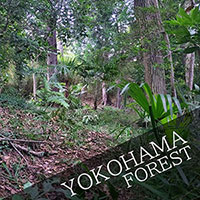 |
| 【YOKOHAMA FOREST】 |
| The scattering spot in the Totsuka area of Yokohama is easily accessible from Tokyo, allowing you to visit the grave at any time. Yokohama is characterized by scattered hills scattered amongst its sprawling residential areas, and this scattering spot offers the feeling of overlooking the surrounding residential areas from a small hill. The site is reached by train and bus, but climbing the stairs from the residential area leads to a completely different world. This spot is set in untouched natural forest, creating ・・・ |
|
|
|
| |
| |
|
| |
| |
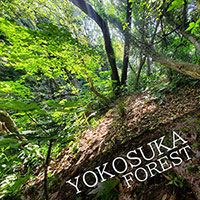 |
| 【YOKOSUKA FOREST】 |
| The scattering site in the Taura area of Yokosuka City is conveniently located by train. It's only a few minutes from the station to the site, so we recommend the "attended scattering plan," which allows for a visit afterward. You may be surprised to find a quiet forest so close to the station. The site is located on a small hill, so you'll need to climb well-maintained stairs to access it. Streetlights are also available, making it possible to visit at dusk or at night. While there are several residential ・・・ |
|
|
|
| |
| |
|
| |
| |
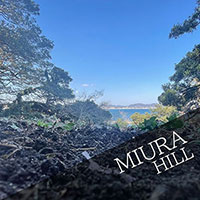 |
| 【MIURA HILL】 |
| The Miura scattering spot is located on a hill overlooking Kaneda Fishing Port on the Miura Peninsula, offering a magnificent view of Tokyo Bay. The Miura Peninsula boasts relatively cool summers and mild winters. Its temperate oceanic climate makes it a frost-free region, even in winter. Compared to Tokyo, the area is 1°C cooler in summer and nearly 2°C warmer in winter. Even when it snows in Tokyo, it often doesn't snow in Miura. This makes it an ideal location for grave visits year-round. The Miura・・・ |
|
|
|
| |
| |
|
| |
| |
 |
| 【KAMAKURA MOUNTAIN】 |
| The scattering spot in Kamakura City is located in the Kamakurayama area, a renowned celebrity destination. On the way there, you can enjoy spectacular views of Sagami Bay and Enoshima. Kamakurayama is home to many famous people, including politicians, businessmen, and entertainers, with their mansions. Famous residents include Yoshimoto Kogyo Holdings Chairman Hiroshi Osaki, Mino Monta, and the couple Ryudo Uzaki and Yoko Aki. The Kamakurayama residential area was developed ・・・ |
|
|
|
| |
| |
|
| |
| |
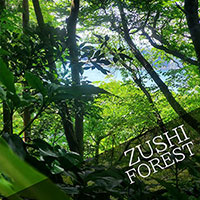 |
| 【ZUSHI FOREST】 |
| This scattering spot offers a scenic view of Enoshima and Mount Fuji. Reaching the site feels like a light hike. After passing through a residential area, it takes about 30 minutes to reach the site via a mountain path. While recommended for hiking enthusiasts, it's not recommended for those unfamiliar with mountain hiking. This scenic spot is well-ventilated, with sunlight filtering through the trees. It's a dry, healthy area, with no creepy or damp feeling whatsoever. While there are hiking trails nearby, the area・・・ |
|
|
|
| |
| |
|
| |
| |
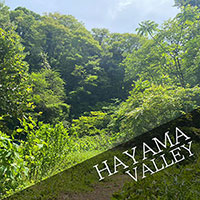 |
【HAYAMA VALLEY】 |
| The scattering site in Hayama is accessible by car from residential areas. The fan-shaped plateau sandwiched between mountains is called a "yato," and it is located at the very edge of the residential area. Further inland, a virgin forest spreads. The surrounding mountains block the wind, preventing strong winds and maintaining a calm atmosphere. The scattering site, surrounded by untouched natural forest, is within walking distance of Morito Beach, but its remote location means it's rarely visited. ・・・ |
|
|
|
| |
| |
|
| |
| |
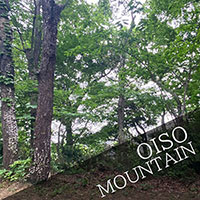 |
| 【OISO MOUNTAIN】 |
| Oiso is located in the south-central part of Kanagawa Prefecture, bordered by Sagami Bay to the south and hills including Mount Koma and Mount Takatori to the north. The area's temperate climate, influenced by warm coastal currents, makes it a comfortable summer and winter resort year-round. From the mid-Meiji period to the early Showa period, Oiso was home to many mansions and villas, including those of prominent figures in the political and business world, including Hirobumi Ito, Shigeru Yoshida, ・・・ |
|
|
|
| |
| |
|
| |
| |
 |
| 【ODAWARA FOREST】 |
| The scattering spot in Odawara City is located in the Iryuda area. Iryuda is a station on the Hakone Tozan Railway, but it's easily accessible from the city center by transferring on the JR Shonan-Shinjuku Line from Odawara or the Odakyu Romancecar from Shu-Odawara. The journey from Shinjuku Station takes two to two and a half hours, making it a short trip, but it's also a great place to visit graves on a day trip. Nearby are research and exhibition facilities such as the Kanagawa Prefectural Museum of ・・・ |
|
|
|
| |
| |
|
| |
| |
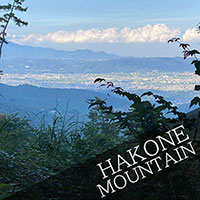 |
| 【HAKONE MOUNTAIN】 |
| The area around Tonomine, where the ashes scattering site is located, is a 566m-high mountain on the border between Odawara City and Hakone Town in Kanagawa Prefecture. It is one of the ancient outer rims of Mount Hakone. It is close to Tonosawa Station on the Hakone Tozan Railway, and a hiking trail leads to the summit via Amidaji Temple. This historic mountain was once the site of a secondary castle for the Odawara Hojo clan. The Tonomine Castle ruins, a medieval mountain castle straddling Hakone ・・・ |
|
|
|
| |
| |
|
| |
| |
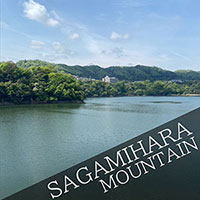 |
| 【SAGAMIHARA MOUINTAIN】 |
| Sagamihara is a designated city in northern Kanagawa Prefecture. Sagamihara's scattering site is located in the Midori Ward area of Sagamihara City. The Midori Ward area of Sagamihara City is home to five artificial lakes: Lake Sagami, Lake Tsukui, Lake Okusagami, Lake Shiroyama, and Lake Miyagase. These lakes support the lives of the prefecture's residents as important water sources. The clean water and crisp, clean air make this a treasure trove of nature. The scattering site is located in the ・・・ |
|
|
|
| |
| |
|
| |
| |
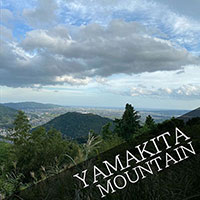 |
| 【YAMAKITA MOUNTAIN】 |
| The mountains of Yamakita offer a panoramic view of the Odawara cityscape and Sagami Bay in the distance. Surrounded by nature, the Tomei Expressway runs below, allowing visitors to objectively observe human activities. It's a truly fitting scattering spot for the deceased's final resting place. The gentle southeast-facing slope allows for a gentle breeze, excellent sunlight, and no dampness. The natural surroundings make you want to relax and even camp. Because it's a largely unpopulated area,・・・ |
|
|
|
| |
| |
|
| |
| |
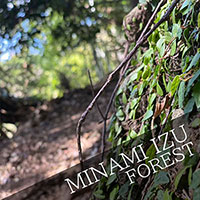 |
| 【MINAMI-IZU FOREST】 |
| Minami Izu's scattering site is located in the southernmost area of the Izu Peninsula. Minami Izu is characterized by its stunning scenery and history. Blessed with a warm climate, this area still retains untouched natural beauty. There are many scenic spots, including Hirizo Beach, with its crystal-clear waters, beautiful ocean, and Cape Irozaki, offering sweeping views of the horizon. Minami Izu's greatest appeal, a well-established tourist destination, is its close proximity to beautiful nature and wildlife. ・・・ |
|
|
|
| |
| |
|
| |
| |
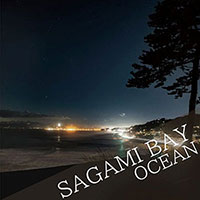 |
| 【SAGAMI BAY】 |
| Ocean scattering involves scattering ashes in the Shonan Sea, known as Japan's most famous tourist destination. Many famous people have had their ashes scattered in Sagami Bay, near Shonan. These include Yujiro Ishihara, Shintaro Ishihara, Sadako Sawamura, Izumi Masatoshi, and Kanako Fukaura. Many of these scatterings are at the request of the deceased, and it is expected to become increasingly popular in the future. Ocean scattering is often used to mourn those who loved the sea, especially ・・・ |
|
|
|
| |
| |
|
| |
| |
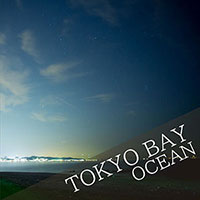 |
| 【TOKYO BAY】 |
| Tokyo Bay has a long history as a popular scattering spot. It's also where the spirits of war heroes from the Pacific War, such as Hideki Tojo, rest. This plan involves scattering ashes off the coast of the Miura Peninsula, known for its warm climate. Among celebrities, entertainment reporter Masaru Nashimoto famously had his ashes scattered in Tokyo Bay in 2010. He was said to have loved the sea and even owned a cruiser. Ocean scattering is often used to honor those who particularly loved the ocean. ・・・ |
|
|
|
| |
| |
|
| |
| |
| |
| |
|
| |
 |
| 【Natural Burial in Japan】 |
| Do It Yourself! SCATTERING ASHES GUIDE MANUAL |
Copyright (C)【General Incorporated Association Primitive Revitalization Agency】2024- |
|
|


